 Paru
Paru Coming Back to Timing, Absorption And The Practical Side, One Step at a Time
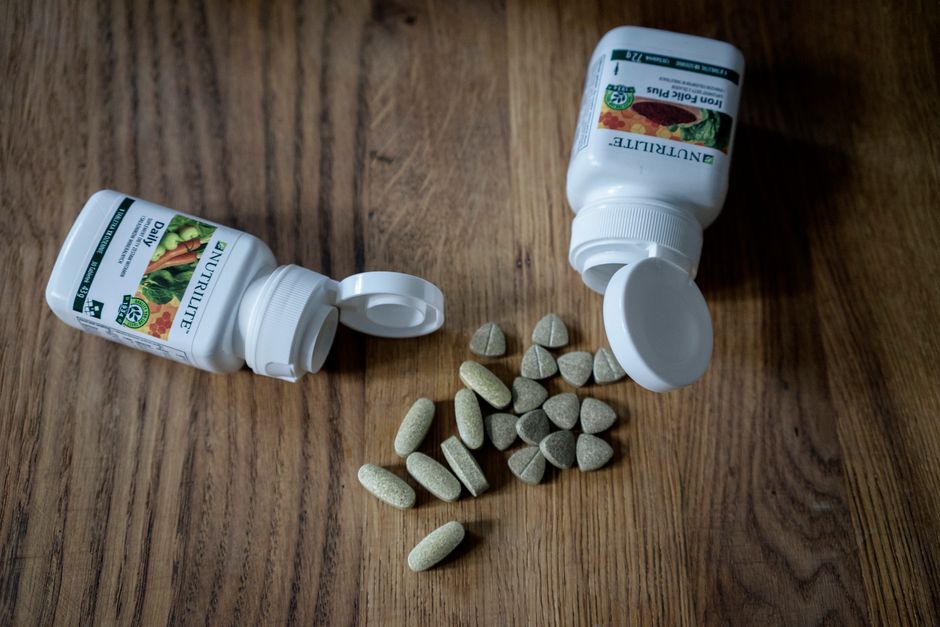
There are plenty of myths around timing, absorption and the practical side, and separating them from the facts makes life simpler. Think of it as gentle maintenance rather than a strict programme. Here is a grounded, practical look at timing, absorption and the practical side that fits into a real, busy life.
A common myth
Finally, give any trial a fair length and a defined end. Most nutrients need weeks rather than days to change a level, and almost nothing needs to be taken forever without review. A note of the start date and a reminder to reconsider in three months turns an open-ended purchase into a decision that can be revisited.
It helps to focus on what you can realistically do most days, rather than an ideal you can only manage occasionally.
What the evidence generally suggests
More often than not, once something is worth taking, a few practical details decide whether it is actually absorbed and whether it is actually taken. Both matter, and the second counts more than people expect, because the most common reason a supplement does nothing is that it was forgotten after the first fortnight.
The goal is progress you can maintain, not perfection you have to chase and eventually abandon.
Why the myth persists
Absorption varies with what else is in the stomach. The fat-soluble vitamins — A, D, E, and K — are taken up more completely alongside a meal containing some fat, so a capsule with breakfast or dinner beats one on an empty stomach. Iron, by contrast, is absorbed better away from tea, coffee, and dairy, and better still with a source of vitamin C. More details are available on phytomem one official website.
The goal is progress you can maintain, not perfection you have to chase and eventually abandon.
A more balanced view
Some pairings work against each other. Large doses of zinc taken continuously can interfere with copper; calcium and iron compete when taken together. Spacing them by a few hours removes most of the problem, and taking them at all only when there is a reason removes the rest. This aligns with information from MedlinePlus (National Institutes of Health).
It helps to focus on what you can realistically do most days, rather than an ideal you can only manage occasionally.
What actually helps
More often than not, then there is the habit itself. A bottle kept in a cupboard behind other things is a bottle that gets skipped; one placed beside the kettle or the toothbrush is not. Attaching it to something that already happens every day is more effective than any reminder.
Practical tips
Some practical points to keep in mind:
- Aim for good enough on busy days instead of skipping entirely.
- Protect your sleep, since it quietly makes everything else easier.
- Keep the useful option easy to reach and the tempting one a little harder.
- Anchor a new habit to something you already do each day, like your morning coffee.
The bottom line
The best approach is the one you can keep going with. Take it one small step at a time. Consistency, not intensity, is what makes the difference in the long run.
Frequently asked questions
Is this suitable for busy people?
Yes. Most of the ideas here fold into things you already do each day, so they take little extra time.
Is this relevant if I'm just starting out?
Yes. You can begin with one small change and build from there. With timing, absorption and the practical side, steady progress beats trying to do everything at once.
How long before I notice a difference?
It varies from person to person. Give any new habit a few weeks of consistency before deciding whether it is working for you.
Do I need special equipment or money?
No. Most of what helps is free or low-cost, and the simplest options are usually the ones people stick with.