 Paru
Paru How to Choose an Omega-3 That Actually Works for You
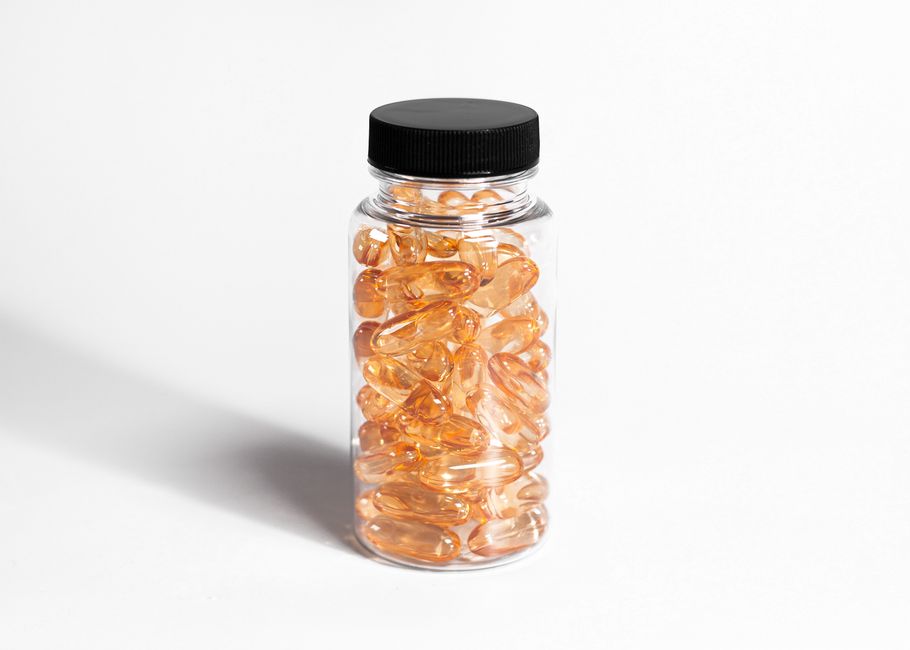
Not All Omega-3s Are Created Equal
When you walk down the supplement aisle or browse nutrition blogs, the term omega-3 gets tossed around as if it were a single nutrient. In reality, it refers to a family of polyunsaturated fats that your body needs to function but cannot produce on its own. Because you have to get them through your diet, they are considered essential.
However, the form of fat you consume changes how your body uses it. The three main dietary types are:
- ALA (alpha-linolenic acid): Found in plant sources like flaxseed, chia seeds, hemp seeds, and walnuts.
- EPA (eicosapentaenoic acid): Found primarily in marine animals and microalgae, playing a major role in cellular signaling.
- DHA (docosahexaenoic acid): Concentrated in oily fish and algae, serving as a structural component of brain tissue and the retina.
While plant-based ALA is healthy, human biology converts it into the active long-chain forms (EPA and DHA) very slowly. Research shows that typical conversion rates often hover in the low single digits. That means a handful of walnuts provides great dietary fiber and healthy fats, but it does not deliver the direct EPA and DHA your body relies on for structural cellular support.
What the Evidence Actually Shows (and What It Doesn't)
The market for omega-3 pills is enormous, and product labels frequently promise dramatic health transformations. To make a smart choice, you have to separate solid science from marketing reach.
The strongest and most consistent evidence shows that regular, modest intakes of EPA and DHA support baseline heart and vascular function, help maintain normal triglyceride levels, and support long-term brain health. When you supply your cells with adequate structural fats through standard dietary amounts, your cardiovascular and nervous systems run more smoothly.
Where the science becomes murky is in high-dose therapeutic claims. Taking mega-doses of fish oil has not been reliably shown to cure chronic inflammation, prevent cognitive decline on its own, or replace medical therapies for heart disease. High-dose marketing thrives in the gap between baseline nutritional necessity and medical treatment. For most healthy adults, meeting everyday dietary targets is far more beneficial than chasing mega-dose capsules.
The Simplest Route: Whole Oily Fish
If you eat seafood, you may not need a bottle of supplements at all. Consuming about two servings of cold-water oily fish each week typically meets the standard health guidelines for EPA and DHA.
Beyond the fatty acids themselves, whole fish delivers an entire matrix of nutrients that a gel capsule leaves out:
- High-quality protein: Essential for muscle maintenance, bone density, and satiety.
- Vitamin D: A micronutrient that many adults lack, especially during winter months.
- Selenium and Iodine: Critical trace minerals that support thyroid function and enzymatic balance.
You also do not have to spend a fortune on fresh wild salmon fillets. Tinned fish—such as sardines, mackerel, and canned wild salmon—is shelf-stable, inexpensive, and packed with identical levels of beneficial fats. Mackerel or sardines mashed onto whole-grain toast with lemon and black pepper makes a nutrient-dense lunch that requires zero actual cooking.
The Plant-Based Route: Why Algae Beats Flaxseed
Vegetarians, vegans, and people who simply dislike the taste of fish often rely on flaxseed oil or chia pudding to meet their omega-3 needs. While those seeds offer fantastic fiber, their poor conversion into EPA and DHA means your tissues may still run low on long-chain fats over time. MedlinePlus (National Institutes of Health) provides reliable, up-to-date information on this topic.
The practical solution for non-fish eaters is algae oil. Fish do not actually manufacture EPA and DHA in their own bodies; they accumulate it by eating marine microalgae. Algae-based supplements bypass the fish entirely, harvesting the oil directly from the source in controlled cultivation tanks.
Benefits of Choosing Algae Oil
Algae oil provides identical forms of preformed EPA and DHA to fish oil without the ocean contaminants or fishy aftertaste. It is also environmentally sustainable, requiring no ocean harvesting. For anyone following a strict plant-based lifestyle, choosing an algae-derived capsule ensures you meet your cellular fat requirements without relying on inefficient metabolic conversion.
How to Inspect Your Supplement for Freshness
Polyunsaturated fats have a delicate molecular structure, which makes omega-3 oils unusually sensitive to heat, light, and oxygen. When exposed to the elements, these fats break down in a process called oxidation. Rancid fish oil not only tastes foul, but oxidized fats can actually counteract the cellular benefits you are buying the supplement for in the first place.
Here is how you can protect your purchase and check for quality:
- The Sniff Test: A fresh bottle of fish oil should smell mild, faintly like the ocean. If a pungent, rotten-fish odor hits you as soon as you open the seal, the oil has begun to oxidize.
- The Bite Test: If you take softgels, occasionally bite into one. The liquid inside should have a clean, neutral flavor. If it tastes sour, acidic, or rancid, dispose of the bottle.
- Check the Packaging: Choose brands packaged in dark glass or opaque bottles rather than clear plastic that lets in shelf light.
- Store Properly: Keep your softgels in a cool, dark cabinet or even in the refrigerator, especially during warm summer months.
Dosing, Safety, and When to Speak With Your Doctor
More is not always better when it comes to dietary supplements. For general wellness, an intake of 250 to 500 milligrams of combined EPA and DHA per day is the standard recommendation supported by public health bodies.
When doses climb above 2,000 to 3,000 milligrams per day without medical supervision, safety considerations emerge. High doses of marine fatty acids can mildly thin the blood and prolong bleeding time. While this poses little risk at everyday grocery amounts, it becomes critical if you are:
- Taking prescription blood thinners or anticoagulant medications.
- Scheduled for an upcoming surgical or extensive dental procedure.
- Managing a diagnosed bleeding disorder.
Always review your daily supplements with your primary healthcare provider. They can help you look at your overall medication list, review your current blood work, and recommend a specific dose tailored to your personal health background.
Putting It into Practice: A Realistic Weekly Plan
Building a consistent routine around omega-3 fats does not require complicated meal prep or high-priced boutique tonics. Instead, aim for steady habits you can maintain effortlessly throughout the year.
Try working through these simple steps to dial in your intake:
- Audit your current plate: If you already eat salmon, tuna, or sardines twice a week, you probably do not need an additional pill. Save your money for quality groceries.
- Pick your supplemental format: If you avoid seafood, decide between a reputable, tested fish oil or a sustainably grown algae capsule. Check the label specifically for the combined amount of EPA and DHA, rather than just total 'fish oil' weight.
- Set a clear storage spot: Place your bottle in the fridge or a cool pantry where you take your morning or evening meals. Taking these fats alongside a meal containing some dietary fat improves absorption.
By treating omega-3s as a regular dietary staple rather than an emergency cure-all, you will support your long-term wellness sensibly, safely, and without the noise of supplement hype.
Frequently asked questions
Can I get enough EPA and DHA by eating chia and flaxseeds alone?
While chia and flaxseeds are rich in ALA, human bodies convert only a small percentage (often under 5%) into EPA and DHA. If you rely solely on seeds, you may want to consider an algae oil supplement to ensure adequate levels of preformed long-chain fats.
Does canned tuna have the same omega-3 content as canned salmon?
Canned salmon and sardines generally contain significantly higher amounts of EPA and DHA than light or albacore tuna. Tuna still provides beneficial fats, but oily cold-water species like salmon, mackerel, and sardines are far more concentrated sources.
Should fish oil capsules be stored in the refrigerator?
Storing your fish oil or algae oil in the refrigerator is an excellent way to slow down oxidation, protect the fats from household heat, and preserve freshness. It can also help minimize any fishy burps after taking them.
How much combined EPA and DHA should I look for on a label?
For basic maintenance and everyday wellness, most health authorities recommend looking for a supplement that supplies between 250 mg and 500 mg of combined EPA and DHA per daily serving.
Is krill oil better than standard fish oil?
Krill oil carries its omega-3s in phospholipid form, which some studies suggest may absorb slightly faster. However, standard fish oil and algae oil are just as effective at raising your body's omega-3 levels over time and typically cost much less.